
Handling a Cost Overrun
Part of the Cloud Computing Roadmap
In short
"Tell me about a time something cost more than expected" tests honesty as much as skill. Owning the mistake, showing how you found the cause and what you changed is what interviewers want to hear.
'Tell me about a time infrastructure cost more than expected' — testing self-awareness and diagnostic thinking, even for a hypothetical or personal-project scenario.
Think of it like this
The class trip treasurer
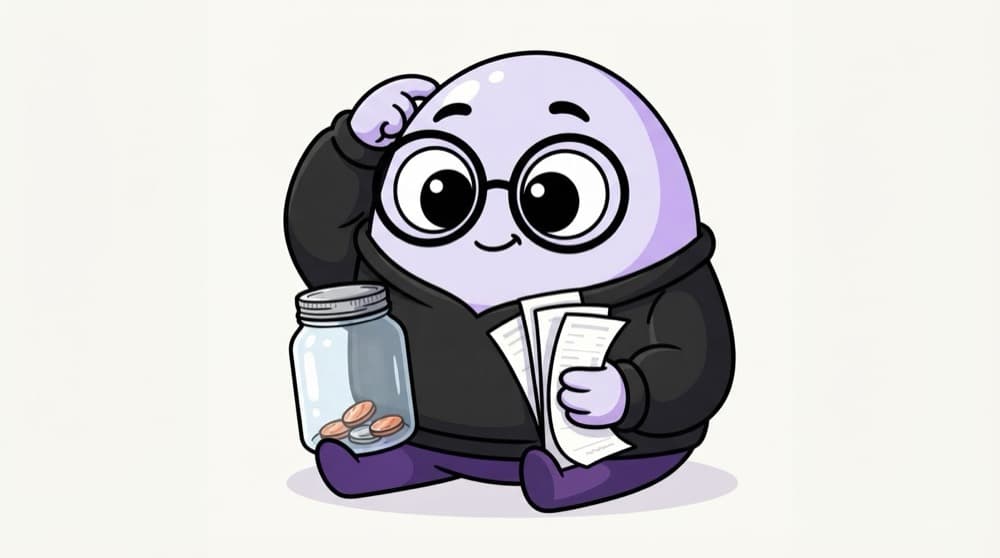
You're treasurer for the class trip, and halfway through, the money is nearly gone. You don't hide it. You check receipts, find the extra AC bus nobody planned for, tell the class, cut a costly stop and keep a daily tally after that.
Watch it happen
Shape of a strong cost overrun story
1/5Set it up honestly: "My free-tier practice account showed an unexpected charge at month end."
The big ideas
What you need to know
Own it
Say clearly what you missed. Blaming the provider or a teammate is the fastest way to lose the room.
Show the method
Describe how you found the cause: billing by service, by region, by tag, by day. That's the skill being tested.
Prevention beats the fix
The guardrails you added afterwards often matter more than the cleanup itself.
Personal projects count
No work experience? A practice-account story is real and relatable, as long as it's true.
Save yourself the pain
Common mistakes
Oops
Saying "that's never happened to me".
Do this instead
Pick a real small story, or describe how you'd investigate one. A dodge sounds like you haven't looked at a bill.
Oops
Spending three minutes on the panic and ten seconds on the fix.
Do this instead
Keep the setup short. Most of the story should be diagnosis, fix and prevention.
Your mission
Prepare your story
Quick check
Which ending makes a cost overrun story strongest?
Go deeper
- 1Prepare a genuine story, even a small one from a personal or practice project.
- 2Structure it with STAR (Situation, Task, Action, Result) for a tight answer.
- 3Focus on your diagnostic process and what you changed afterward, not just the fix itself.
More behavioral at this stop
 Explain a Past Cloud Project
 Cross-Team Collaboration Stories
 Staying Current With Cloud Services

Stuck on this topic? Ask an Insider
Get 1:1 guidance from people who've walked this exact path — on the InsideEdge app.
