Vulnerability Assessment Report
Part of the Cybersecurity Roadmap
In short
Finding issues is half the job. A clear report that tells owners what is wrong, how bad it is and how to fix it is the half that gets things fixed.
A full vulnerability assessment (broader and less invasive than a pentest) on a practice environment, applying Phase 13's scanning tools and Phase 6's report writing skills together.
Think of it like this
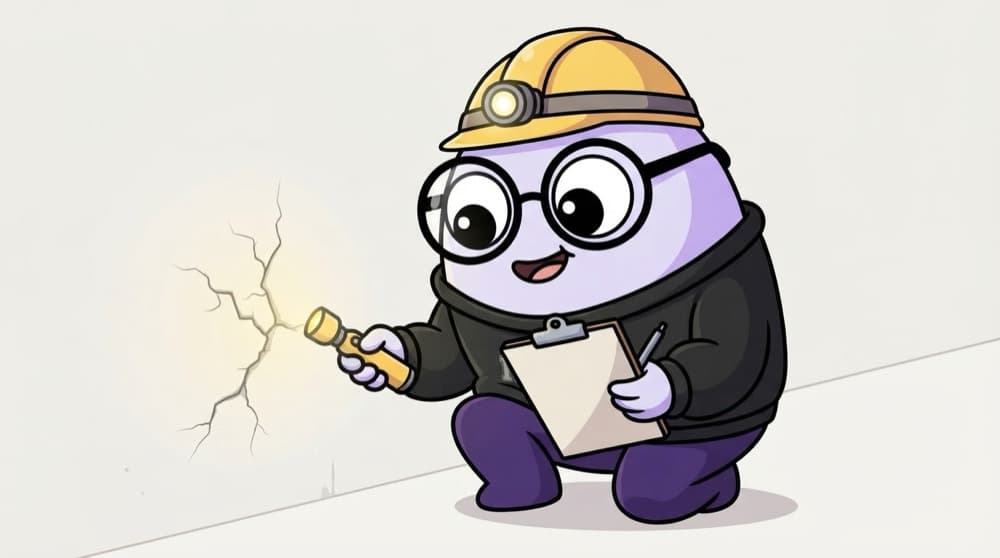
The building inspector's report
Before buying a flat, you hire an inspector. They check walls, wiring and plumbing, then hand you a report: this crack is cosmetic, this wiring is dangerous, fix it first. A vulnerability assessment report does the same for systems.
Watch it happen
Build plan
1/6Write the scope and get permission. For a portfolio, use only your own lab VMs.
The big ideas
What you need to know
Executive summary first
One page in plain language: overall risk, top three issues and what to do. Many readers stop here.
Prioritised findings
Sort by real risk, not tool order. Each finding gets severity, evidence, impact and a fix.
Assessment, not exploitation
A vulnerability assessment identifies and rates issues. It does not exploit them, which keeps it safer.
Show the retest
Proving the fix worked turns a list of problems into a story of improvement.
See it in code
Walk through the code
1Finding VA-03: Outdated SSH server on lab-web (10.0.30.12)2Severity: High (CVSS base from NVD, raised: reachable from attack segment)3Evidence: nmap -sV shows OpenSSH 7.2p2; vendor lists fixed versions4Impact: known flaws in this version could weaken login security5Fix: update openssh-server via apt; disable password login6Owner: lab admin (you) Due: 2026-11-057Retest: 2026-11-06 nmap shows patched version -> CLOSED1/3Name the asset and give a severity with a short reason for any adjustment.
One finding written well: where, how bad, the proof, why it matters, how to fix it, who owns it and the retest result.
Save yourself the pain
Common mistakes
Oops
Pasting the raw scanner export as the report.
Do this instead
Validate, deduplicate and explain. Owners need a short, clear list, not 300 auto generated lines.
Oops
Using CVSS scores alone to rank findings.
Do this instead
Add context: exposure, asset value and known exploitation. A 9.8 on an isolated box may wait behind a 7.5 on the internet.
Your mission
First milestone: one target, five findings
Quick check
How is a vulnerability assessment different from a penetration test?
Go deeper
- 1Run a vulnerability scan on a practice lab environment with multiple intentionally vulnerable systems.
- 2Prioritize findings by severity and exploitability, not just raw scanner output.
- 3Write a full report with an executive summary and detailed technical findings.
More projects at this stop
 Home Lab Setup & Network Segmentation Project
 CTF (Capture the Flag) Writeups
 Security Automation Script Project
 SIEM Dashboard & Detection Rules Project
 Incident Response Tabletop Writeup
 Portfolio Website or GitHub Showcase

Stuck on this topic? Ask an Insider
Get 1:1 guidance from people who've walked this exact path — on the InsideEdge app.
