
Handling a Real or Simulated Incident
Part of the Cybersecurity Roadmap
In short
"Tell me about a time you handled an incident" tests composure. Even without job experience, a CTF, lab or tabletop gives you a real story to tell with STAR.
'Tell me about a time you handled a security incident' — testing composure under pressure and structured diagnostic thinking, even for a hypothetical, lab, or CTF-based incident.
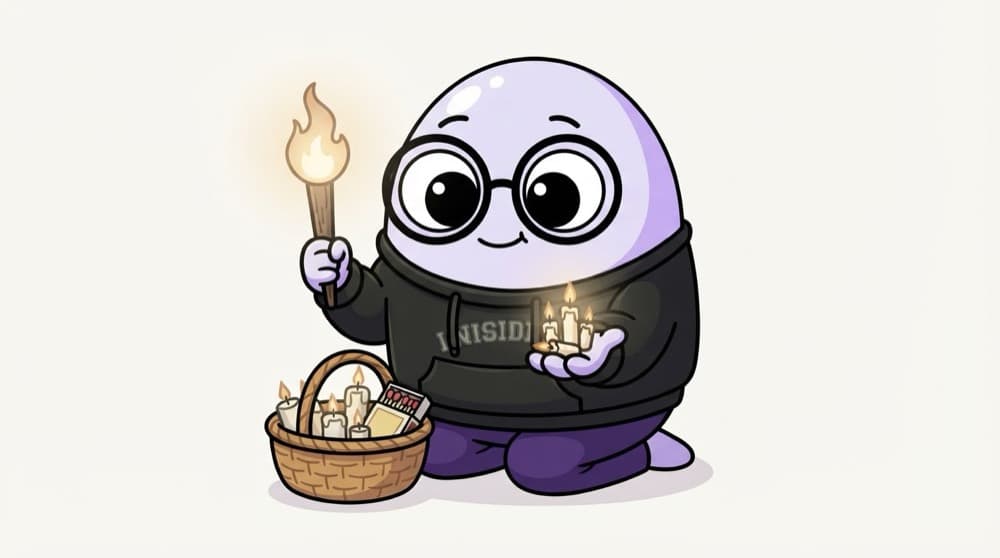
Think of it like this
The power cut on exam night
The hostel lights go out the night before exams. One calm person grabs a torch, hands out candles, checks the generator and tells the warden. Nobody panics because someone took charge with a simple plan. That calm, ordered behaviour is what interviewers listen for.
Watch it happen
STAR for an incident story
1/5Set the scene briefly: "During a tabletop, our file server showed a ransom note."
The big ideas
What you need to know
Simulated counts
A lab, CTF or tabletop is a valid answer. Say clearly that it was simulated.
Show calm
Mention how you stayed organised: a checklist, a timeline, clear roles.
Communication matters
Say who you informed and when. Good incident work is half communication.
Protect confidential details
For real incidents, share only what you are allowed to. Anonymise company and client details.
Save yourself the pain
Common mistakes
Oops
Making yourself the lone hero who fixed everything.
Do this instead
Show teamwork and process. Incidents are handled by coordinated roles, not solo heroes.
Oops
Pretending a lab exercise was a real job incident.
Do this instead
Be honest that it was simulated. Interviewers respect honesty and the learning.
Your mission
Prepare your STAR story
Quick check
You have no job experience. What is a good answer to "tell me about an incident you handled"?
Go deeper
- 1Prepare a genuine story, even a small one from a lab exercise or CTF challenge.
- 2Structure it with STAR (Situation, Task, Action, Result) for a tight answer.
- 3Focus on your diagnostic process and what you'd do differently, not just the outcome.
More behavioral at this stop
 Explain a Past Security Project
 Communicating Risk to Non-Technical Stakeholders
 Staying Current With Threats & CVEs

Stuck on this topic? Ask an Insider
Get 1:1 guidance from people who've walked this exact path — on the InsideEdge app.
