
Contributing to Open Source
Part of the Web Development Roadmap
In short
Contributing to a real project shows something no solo project can: that you can read someone else's code, follow their rules and handle feedback from reviewers. Even a small docs fix counts.
Open source contributions, even small fixes to docs or bugs, show that you can read real codebases, follow a project's process and work with reviewers.
Think of it like this
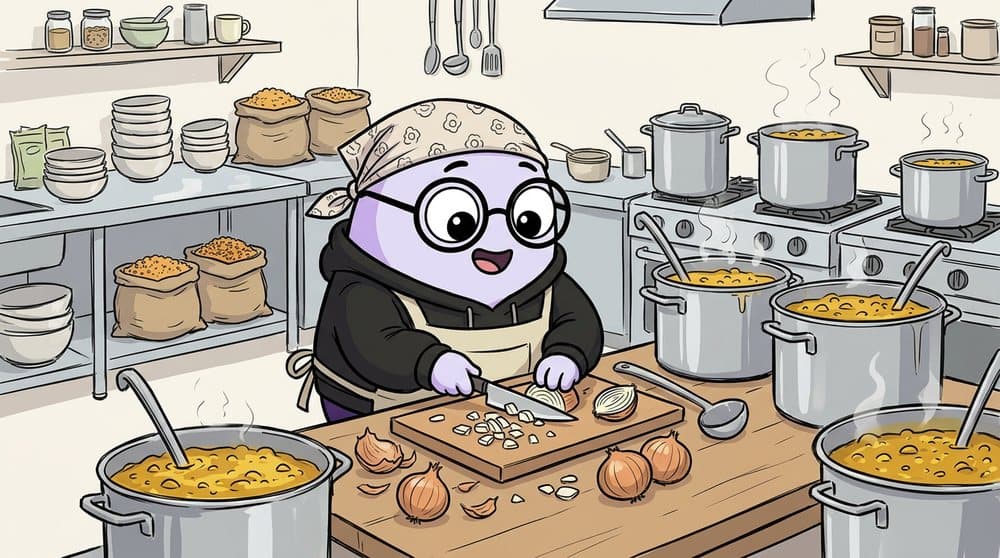
Volunteering at the community kitchen
At a gurdwara langar, nobody starts by cooking the main dal. New volunteers wash plates, chop onions or serve water, following how the kitchen already works. Over time they take on more. Open source is the same: start with small, useful tasks, follow the project's way of doing things, and grow from there.
Watch it happen
Your first pull request
Find a 'good first issue'
1/6Read CONTRIBUTING.md and check nobody else is already working on it.
The big ideas
What you need to know
Find the right issues
Filter GitHub issues by labels like good first issue or help wanted in JavaScript projects you actually use.
Read before coding
README, CONTRIBUTING.md and the code of conduct explain setup, style and how they want pull requests.
Fork and branch
Fork the repo, clone your fork, create a branch named after the issue, and keep each PR to one change.
Communicate well
Clear PR descriptions and polite replies to review matter as much as the code.
See it in code
Walk through the code
1# after clicking Fork on GitHub2git clone https://github.com/your-name/project.git3cd project4git remote add upstream https://github.com/original-owner/project.git5 6git switch -c fix-typo-in-readme7# ...make your change and run the tests...8git add README.md9git commit -m "Fix typo in installation steps"10git push -u origin fix-typo-in-readme11# then open a pull request on GitHub12 13git fetch upstream14git rebase upstream/main # later: update your branch with new changes1/4Clone your fork and remember the original project as upstream.
origin is your fork, upstream is the original project. You push to origin and open the PR against upstream.
Save yourself the pain
Common mistakes
Oops
Opening a huge PR that changes many files without asking first.
Do this instead
Start small and focused. Discuss bigger changes in an issue before writing code.
Oops
Spamming tiny whitespace or typo PRs just to count contributions.
Do this instead
Maintainers notice. Make changes that genuinely help, even if they're small.
Your mission
First contribution
Quick check
In an open source workflow, what is the upstream remote?
Go deeper
- 1Find issues labelled good first issue in JavaScript projects you use.
- 2Read the CONTRIBUTING file before you start any change.
- 3Start with a documentation fix to learn the pull request flow.
Also part of these roadmaps
More topics at this stop
 Choosing a Specialization
 Portfolio Website
 Writing Good READMEs
 Resume for Web Developers
 Internships and Freelancing
 HTML, CSS and JavaScript Interview Questions
 HTTP and REST Interview Questions
 Explaining Your Projects
 Debugging Approach

Stuck on this topic? Ask an Insider
Get 1:1 guidance from people who've walked this exact path — on the InsideEdge app.
