
Root Cause Analysis Questions
Part of the Data Analyst Roadmap
In short
"Orders dropped 20% yesterday. What happened?" This classic question tests whether you investigate in a calm, structured way instead of guessing the first thing that comes to mind.
A close cousin of business case questions, focused specifically on diagnosing why a metric moved — testing hypothesis generation and how you'd rule causes in or out with data.
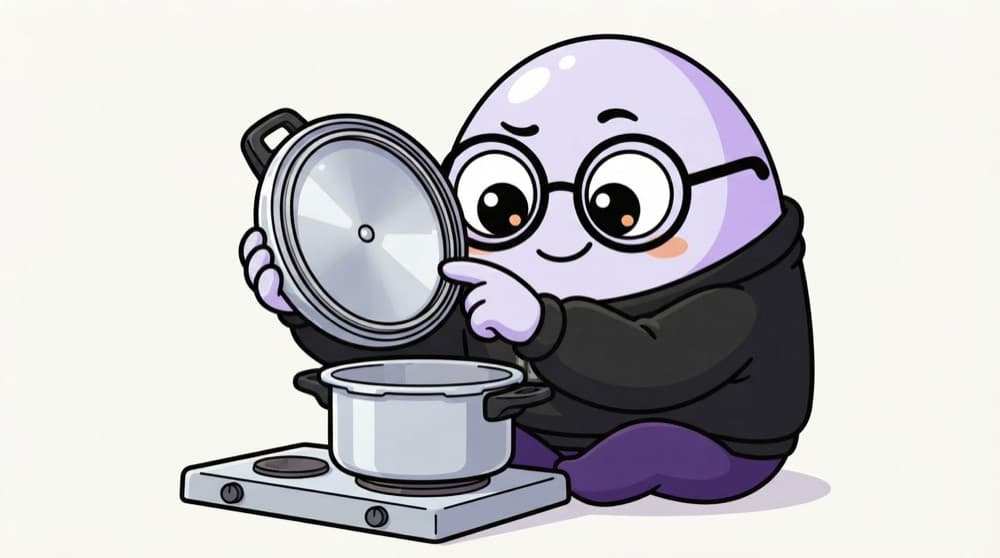
Think of it like this
The pressure cooker that won't whistle
When the cooker doesn't whistle, you don't throw it away. You check the obvious things first: is the flame on, is there water, is the rubber ring fitted, is the vent blocked. One by one, until you find it. Root cause analysis is the same checklist thinking.
Watch it happen
Why did orders drop 20% yesterday?
1/5Clarify first: which metric exactly, compared with what, and is it all users or some?
The big ideas
What you need to know
Rule out data issues first
A surprising number of "drops" are broken tracking. Check another source before panicking.
Use an issue tree
Split causes into data, internal and external. It shows the interviewer you're being thorough.
Segment to narrow down
Cut by platform, city, app version and channel. A drop in one segment points straight at a cause.
Check the calendar
Compare with the same day last week and last year. Festivals and long weekends explain many dips.
Save yourself the pain
Common mistakes
Oops
Jumping straight to "probably a competitor" without checking anything.
Do this instead
Work through the tree: data, internal, external, then segment to confirm.
Oops
Exploring every possible cause in equal detail.
Do this instead
Start with the most likely and easiest to check, and say why you're ordering them that way.
Your mission
Build your own issue tree
Quick check
Orders dropped sharply, but only on Android, only on the newest app version. What's the most likely cause?
Go deeper
- 1Practice listing hypothesis buckets: internal changes, external factors, seasonality, data/tracking issues.
- 2Prepare a real example from a past project (or Phase 14 portfolio piece) if you have one.
- 3Practice narrating your reasoning out loud — the process is what's being evaluated.
More business & product sense at this stop
 Metrics Design Questions
 Business Case Questions

Stuck on this topic? Ask an Insider
Get 1:1 guidance from people who've walked this exact path — on the InsideEdge app.
