
Disagreement With Developers Over a Bug
Part of the QA Testing Roadmap
In short
'A developer says it's not a bug. What do you do?' Interviewers want to see you hold your ground with evidence while keeping the relationship friendly. Both matter.
'Tell me about a time a developer disagreed a bug was actually a bug' — testing emotional maturity and whether you can hold your ground with evidence while staying collaborative.
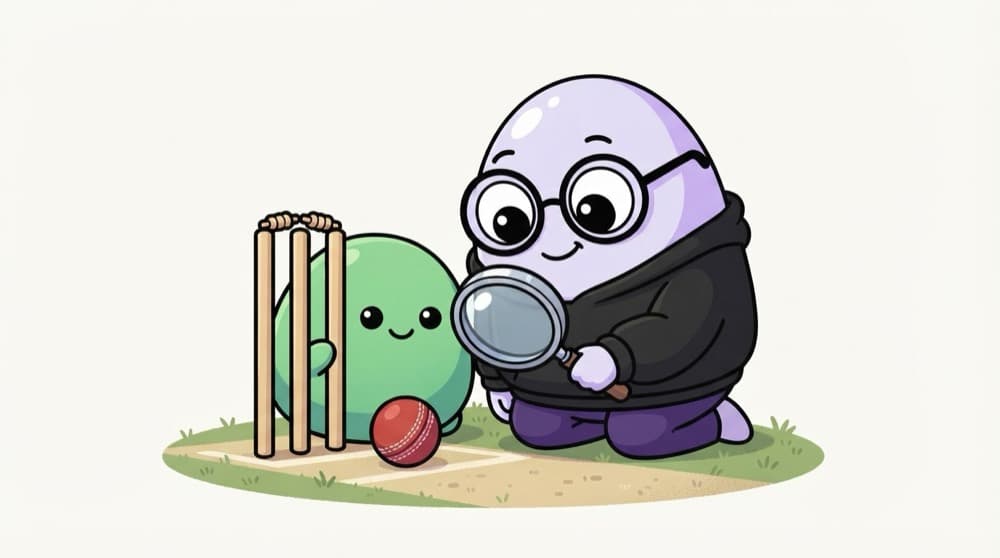
Think of it like this
Calling for the DRS review
In cricket, when a batter disagrees with the umpire, nobody shouts. They ask for a review, and the replay decides. In a bug disagreement, you don't argue louder. You bring evidence and let the facts and the spec decide.
Watch it happen
Resolving 'it's not a bug' calmly
BUG: 2 coupons apply
1/6You report that two coupons can be stacked on one order.
The big ideas
What you need to know
Evidence first
Repro steps, recordings, logs and the exact requirement line. Facts end arguments faster than opinions.
Listen genuinely
Sometimes the developer is right and you misunderstood the rule. Admitting it builds trust.
Escalate the question
When the spec is unclear, ask the product owner. You're escalating the question, not the person.
Same team
You both want a good product. Keep the tone friendly in comments and in person.
Save yourself the pain
Common mistakes
Oops
Reopening the bug again and again with 'still a bug!!'.
Do this instead
Add new evidence or a clear question each time, or take it to the product owner.
Oops
Giving in immediately to avoid conflict.
Do this instead
If the user impact is real, explain it politely and make sure the right person decides.
Your mission
Script the conversation
Quick check
The developer and you disagree, and the requirement is ambiguous. What's the best next step?
Go deeper
- 1Prepare a real story where disagreement was resolved constructively, using clear evidence.
- 2Be honest about the developer's valid point, not just your own position.
- 3Avoid stories where you were clearly right and they were clearly wrong — nuance reads better.
More behavioral at this stop
 Explain a Past Testing Project
 Handling a Critical Production Bug
 Staying Current With Testing Tools

Stuck on this topic? Ask an Insider
Get 1:1 guidance from people who've walked this exact path — on the InsideEdge app.
