Cross-Team Collaboration Stories
Part of the DevOps Roadmap
In short
Most work in tech means working across groups: developers, operations, security, product. 'Tell me about working with another team on a tricky issue' tests whether you can build agreement when goals clash.
'Tell me about working with developers to resolve a deployment issue' — testing whether you can build alignment across engineering teams under real friction.
Think of it like this
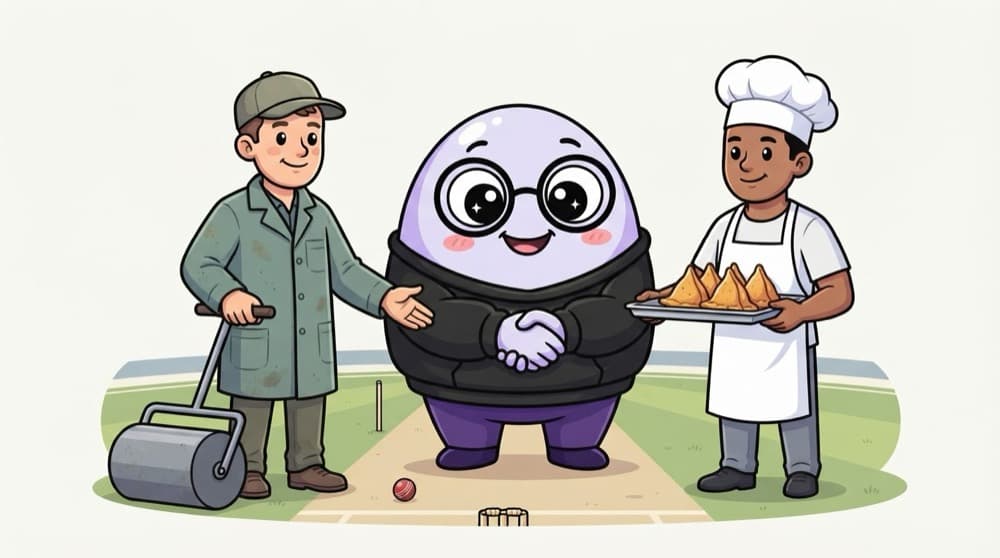
Running the inter-college cricket tournament
The groundsman wants the pitch untouched till noon. The canteen wants to set up stalls by ten. The umpires want a fixed start time. A good organiser finds what each side really needs and makes a plan everyone can live with. That's the story interviewers want.
Watch it happen
Shape of a collaboration story
1/5Set it up: 'Our club's website team and the event team both needed the same server before a fest.'
The big ideas
What you need to know
Listen for the real need
People argue about solutions. Underneath is a worry, like downtime or deadlines. Find it and the solution gets easier.
Represent both sides fairly
Describe the other team's view with respect. Painting them as the villain makes you sound hard to work with.
Use data to agree
Error rates, timelines or a quick test often settle what opinions can't.
Show the lasting change
A good story ends with a process both teams kept, not just one problem patched.
Save yourself the pain
Common mistakes
Oops
Telling a story where you were right and the other team simply gave in.
Do this instead
Show give and take. The best stories include a point where you changed your own view.
Oops
Choosing a story with no real conflict at all.
Do this instead
Pick one with genuine friction. 'Everyone agreed and it went well' doesn't show any skill.
Your mission
Find and shape your story
Quick check
What makes a collaboration story most convincing?
Go deeper
- 1Prepare a story showing you understood the other team's perspective, not just pushed your own.
- 2Highlight the specific action you took to build alignment, not just the eventual outcome.
- 3Practice framing this as a collaboration story, not a 'I fixed their mistake' story.
More behavioral at this stop
 Explain a Past Infrastructure Project
 Handling a Production Incident
 Staying Current With DevOps Tools

Stuck on this topic? Ask an Insider
Get 1:1 guidance from people who've walked this exact path — on the InsideEdge app.
