Managing Up
Part of the Product Management Roadmap
In short
Your manager hates one thing more than bad news: hearing it first from someone else. Managing up is making sure that never happens.
Proactively keeping your manager or leadership informed and aligned — surfacing risks early, asking for the right kind of help, and not letting them be surprised in a room full of people.
Think of it like this
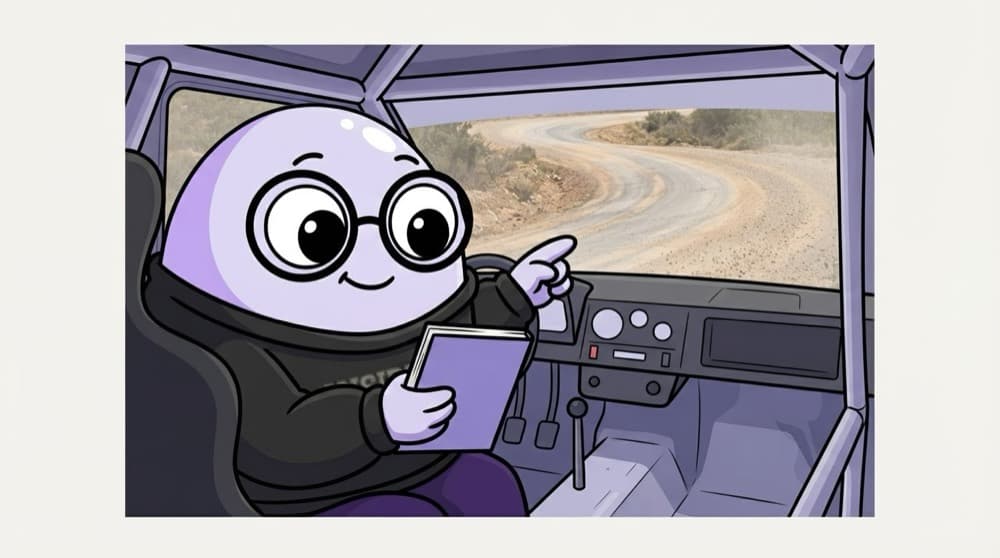
The rally co-driver
In a rally, the co-driver reads out every bend before it arrives: "Sharp left in 100, gravel." The driver never gets surprised, so they can go fast. A co-driver who stays quiet until the car is in the ditch is useless, however good their notes were.
Watch it happen
Flagging a risk before it becomes a fire
1/5A partner's payment API is two weeks late. Your launch depends on it. You don't wait to see if it fixes itself.
The big ideas
What you need to know
No surprises
Share risks the moment you see them, along with what you're doing about them.
Bring options
Don't just bring problems. Bring two choices and your recommendation, so the decision is quick.
Learn their style
Some managers want a daily line on chat, others a weekly doc. Ask, then match it.
Ask for specific help
"Can you unblock legal review by Thursday?" gets action. "Things are hard" doesn't.
Save yourself the pain
Common mistakes
Oops
Hiding a slipping deadline hoping you'll catch up.
Do this instead
Flag it early. A two-week warning is a plan; a two-hour warning is a crisis.
Oops
Sending long updates where the key risk is in paragraph four.
Do this instead
Lead with the one thing they must know, then the details for anyone who wants them.
Your mission
Write a risk heads-up
Quick check
You discover a key launch dependency is slipping. What's the best first move?
Go deeper
- 1Draft a short weekly update template you'd send to your manager or a stakeholder.
- 2Learn to bring a recommendation, not just a problem, when escalating.
- 3Practice the 'no surprises' rule: bad news travels up before it travels sideways.
More topics at this stop
 Cross-Functional Collaboration
 Influence Without Authority
 Executive Communication
 Presenting a Roadmap
 Handling Disagreement & Conflict
 Saying No Gracefully
 Amazon-Style Written Narratives
 Facilitating Effective Meetings

Stuck on this topic? Ask an Insider
Get 1:1 guidance from people who've walked this exact path — on the InsideEdge app.
