
Design QA (Reviewing Built Features)
Part of the UI/UX Design Roadmap
In short
The feature is built and it looks... almost right. Design QA is when you check the real build against the design and catch the small gaps before users ever see them.
Reviewing the actually-built, shipped feature against the original design — catching spacing, copy, or interaction drift before (or shortly after) release, closing the loop on design-dev consistency.
Think of it like this
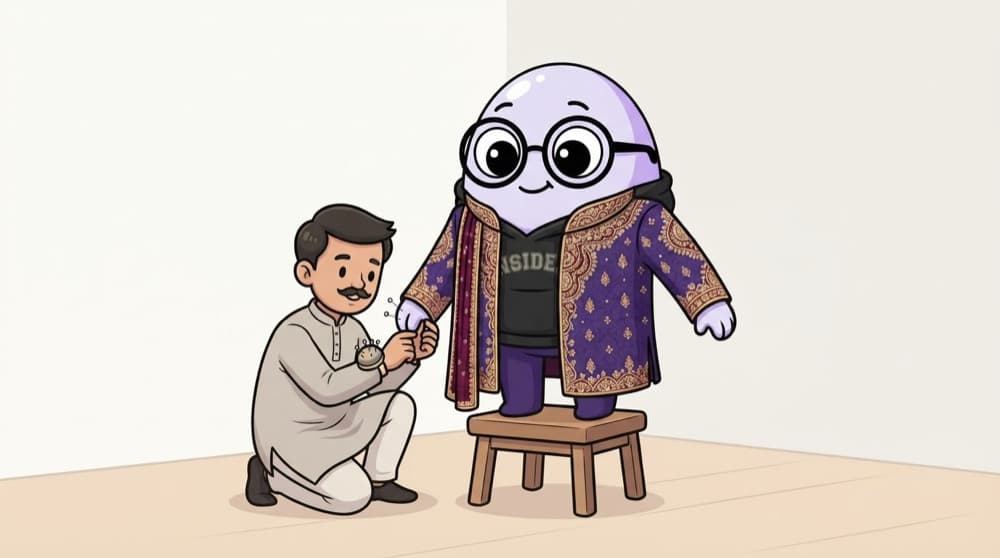
The tailor's trial fitting
Before collecting your sherwani for the wedding, you go for a trial. The sleeve is slightly long, one button is loose. Small fixes now, or embarrassment on the big day. Design QA is your product's trial fitting.
Watch it happen
A design QA issue queue
Front of the queue is coloured
1/5On a small phone, the main button is hidden under the keyboard. Blocks users, so it's top priority.
The big ideas
What you need to know
Test on real devices
Check on actual phones, including a small and a cheap one. Emulators miss some real-world problems.
Check states, not just looks
Try errors, slow internet, long names and empty data. That's where builds differ from designs.
Prioritise issues
Separate blockers from polish. A clear priority helps engineers fix what matters first.
Report clearly
Each issue gets a screenshot, the device, expected vs actual, and a link to the design frame.
Save yourself the pain
Common mistakes
Oops
Sending a long list of '2px off' comments with no priorities.
Do this instead
Lead with issues that hurt users, then group small visual fixes together.
Oops
Only doing design QA the day before launch.
Do this instead
Review builds as they come, in staging or preview builds. Early fixes are quicker.
Your mission
QA a live site against itself
Quick check
Which design QA issue should usually be fixed first?
Go deeper
- 1Compare a real shipped feature against its original design and list every discrepancy found.
- 2Learn to prioritize QA feedback by user impact, not just pixel-perfection.
- 3Practice giving QA feedback constructively, framed as collaboration, not blame.
More topics at this stop
 Working With Product Managers
 Working With Engineers
 Design Critiques & Feedback
 Design Handoff Best Practices
 Version Control for Design (Figma Branching)
 Presenting Design Work to Stakeholders
 Design Documentation

Stuck on this topic? Ask an Insider
Get 1:1 guidance from people who've walked this exact path — on the InsideEdge app.
