
A Day in the Life of a PM
Part of the Product Management Roadmap
In short
A PM's day is less "big vision on a whiteboard" and more "twenty small decisions between meetings". Here's what it really looks like.
In practice, most PM days are a mix of meetings, Slack triage, writing docs, and small decisions — not the glamorous 'visionary' image often portrayed.
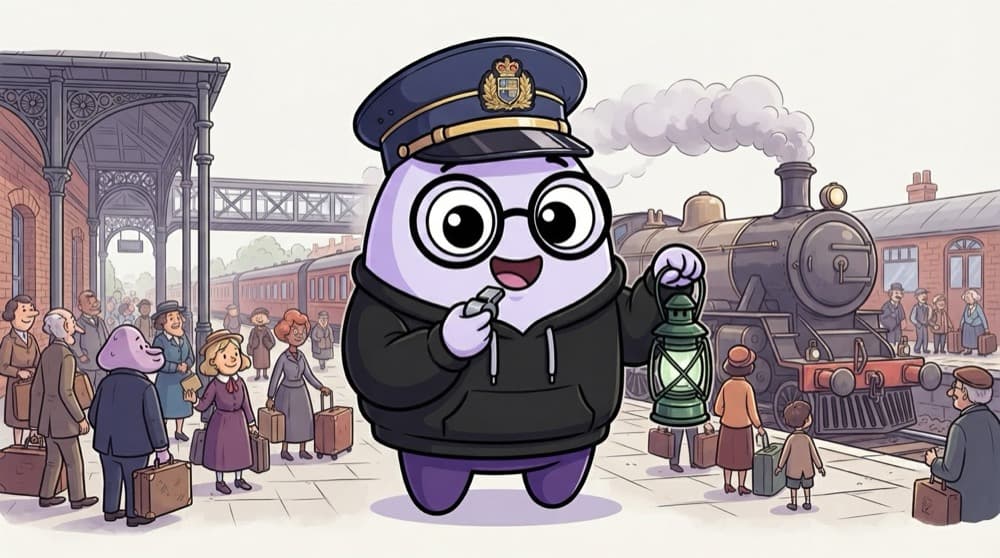
Think of it like this
Station master at a busy junction
Trains arrive late, a platform changes, a passenger loses a ticket, a VIP train needs a clear track. The station master can't stop everything to plan. They keep the important trains moving and handle the rest in order.
Watch it happen
Your Tuesday, as a queue
Front of the queue is coloured
1/7The day starts with a 15-minute standup. Engineers share progress and one blocker.
The big ideas
What you need to know
Meetings, but with purpose
Standups, reviews and syncs fill the calendar. A good PM knows which ones need them and skips the rest.
Guard deep-work time
Writing specs and thinking about strategy need quiet hours. Block them on your calendar like meetings.
Lots of writing
Updates, specs, Slack replies, release notes. Clear, short writing is a daily PM superpower.
Constant triage
New requests arrive all day. You decide: do now, schedule, delegate, or politely say no.
Save yourself the pain
Common mistakes
Oops
Saying yes to every meeting invite to look helpful.
Do this instead
Ask what decision the meeting needs from you. If none, ask for notes instead.
Oops
Letting urgent bugs eat all your time every day.
Do this instead
Handle real fires, but keep a fixed slot for user calls and planning, or the future never gets built.
Your mission
Plan a PM's day
Quick check
Your calendar is packed and you haven't spoken to a user in a month. What's the best fix?
Go deeper
- 1Shadow or interview a working PM about their actual calendar for a week.
- 2Notice how much time goes to communication versus 'strategic thinking'.
- 3Decide if the real day-to-day (not the title) genuinely appeals to you.
More topics at this stop
 What Product Managers Actually Do
 PM vs Product Owner vs Project Manager
 Types of PMs (Growth, Platform, Technical, Core)
 The Product Lifecycle
 Startup PM vs Enterprise PM
 Product-Market Fit
 North Star Metric (Intro)
 The PM Career Ladder (APM → PM → Senior → Group → VP)
 How Company Stage Changes the PM Role

Stuck on this topic? Ask an Insider
Get 1:1 guidance from people who've walked this exact path — on the InsideEdge app.
