
Vulnerability Scanning Basics
Part of the QA Testing Roadmap
In short
Your app uses hundreds of open-source packages. When a security hole is found in one of them, you want to know the same day. Vulnerability scanners do that checking for you, automatically.
Automated tools that scan an application or its dependencies for known vulnerabilities — a lightweight, recurring check that QA can run as part of a broader quality gate.
Think of it like this
The chemist's recall list
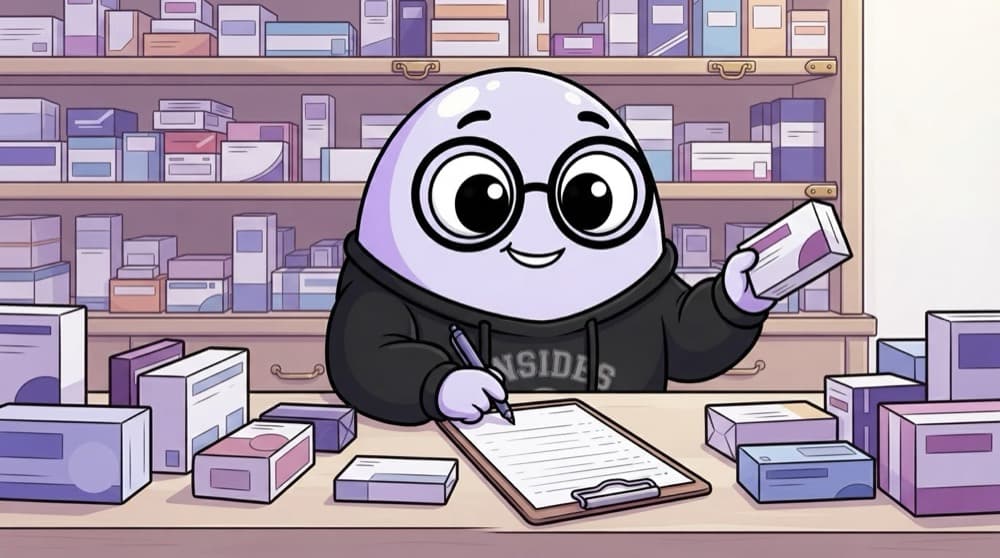
When a batch of medicine is recalled, a careful chemist checks every box on the shelf against the list and pulls the bad ones. A vulnerability scanner compares your packages against a public list of known problems.
Watch it happen
A dependency scan in the pipeline
scan package-lock
1/5The CI job hands the scanner your exact list of packages and versions.
The big ideas
What you need to know
Dependency scans
Tools like npm audit, Dependabot or Snyk check your libraries against known vulnerability lists.
Image scans
Tools like Trivy check a Docker image's OS packages too, not just your code's libraries.
Running-app scans
OWASP ZAP can scan your running test site for issues like missing security headers.
Triage the noise
Not every finding matters. Check severity and whether the vulnerable code is actually used before panicking.
See it in code
Walk through the code
1# Check npm dependencies against known advisories2npm audit --audit-level=high3 4# Scan a container image for known CVEs (Trivy, open source)5trivy image my-app:latest6 7# Passive baseline scan of YOUR test site with OWASP ZAP8docker run --rm -t ghcr.io/zaproxy/zaproxy:stable \9 zap-baseline.py -t https://staging.example.test1/3Fails only when a high or critical advisory is found, so low-risk noise doesn't block builds.
Run the ZAP scan only against sites you own or have written permission to test. The baseline scan is passive and doesn't attack.
Save yourself the pain
Common mistakes
Oops
Running npm audit fix --force and shipping whatever it changed.
Do this instead
Force can jump major versions and break features. Upgrade, then run your test suite before merging.
Oops
Ignoring scan results because there are always some warnings.
Do this instead
Agree a rule, like 'high and critical block the build', and review the rest weekly.
Your mission
Scan your own project
Quick check
npm audit reports a high-severity issue in a package your app depends on. What's the best first step?
Go deeper
- 1Run a free dependency vulnerability scanner against a sample project.
- 2Learn why keeping dependencies updated is a simple but frequently neglected practice.
- 3Understand this complements, but doesn't replace, dedicated application security testing.
More topics at this stop
 Security Testing Basics
 OWASP Top 10 for Testers
 Accessibility Testing (WCAG Basics)
 Automated Accessibility Testing Tools
 Penetration Testing Overview for QA
 Compliance Testing Overview

Stuck on this topic? Ask an Insider
Get 1:1 guidance from people who've walked this exact path — on the InsideEdge app.
