
Rapid Prototyping Techniques
Part of the UI/UX Design Roadmap
In short
The goal of a prototype is to learn something, not to look finished. Pick the lowest fidelity that answers your question, and you can test an idea today instead of next month.
Quickly testing an idea with the minimum necessary fidelity — paper prototypes, clickable low-fidelity wireframes, or even a rough Figma mockup — to validate direction before investing in full polish.
Think of it like this
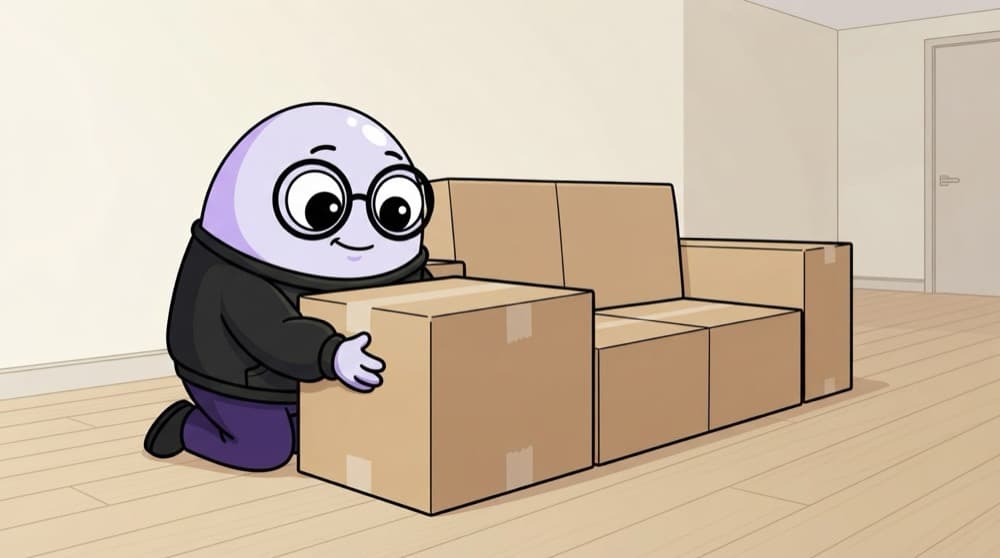
Cardboard furniture
Before buying a sofa, you put cardboard boxes where it would go and walk around the room for a day. You learn it blocks the door, for free. Rapid prototypes are cardboard boxes for your ideas.
Watch it happen
Choosing the right fidelity
1/5Paper: minutes to make. Great for testing whether the basic idea and layout make sense at all.
The big ideas
What you need to know
Start with a question
'Can people find the filter?' needs a different prototype than 'Do people trust this payment screen?'.
Paper is legit
Paper prototypes, where you swap screens by hand, are a real method used to test early ideas.
Fake the backend
In a 'Wizard of Oz' test, a person secretly does what the system would, like replying to chat messages.
Expect to throw away
Rapid prototypes are disposable. If you're scared to delete it, you've spent too long on it.
Save yourself the pain
Common mistakes
Oops
Building a polished prototype to test a rough idea.
Do this instead
Use the cheapest fidelity that answers the question. Save polish for later tests.
Oops
Testing without a clear question.
Do this instead
Write what you want to learn before you build. It decides the fidelity and the tasks.
Your mission
Paper prototype test
Quick check
You want to know if people understand your app's main idea at all. Which prototype fits best first?
Go deeper
- 1Build a rapid, low-fidelity prototype for a new idea in under an hour.
- 2Test it with one person and gather feedback before refining further.
- 3Learn to match prototype fidelity to the question you're actually trying to answer.
More topics at this stop
 Low-Fidelity Wireframing
 High-Fidelity Mockups
 Interactive Prototyping
 Figma Fundamentals
 Figma Components & Variants
 Auto Layout in Figma
 Prototyping Interactions & Transitions
 Design Handoff to Developers

Stuck on this topic? Ask an Insider
Get 1:1 guidance from people who've walked this exact path — on the InsideEdge app.
