In short
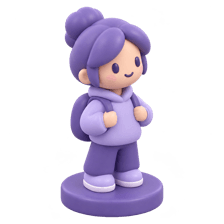
"Users" is a blur. A persona turns research into one believable person your whole team can picture, so debates become "would Priya use this?" instead of opinions.
Composite, research-backed profiles representing distinct user segments — useful shorthand for a team, but only as good as the research behind them.
Think of it like this
The radio jockey's one listener
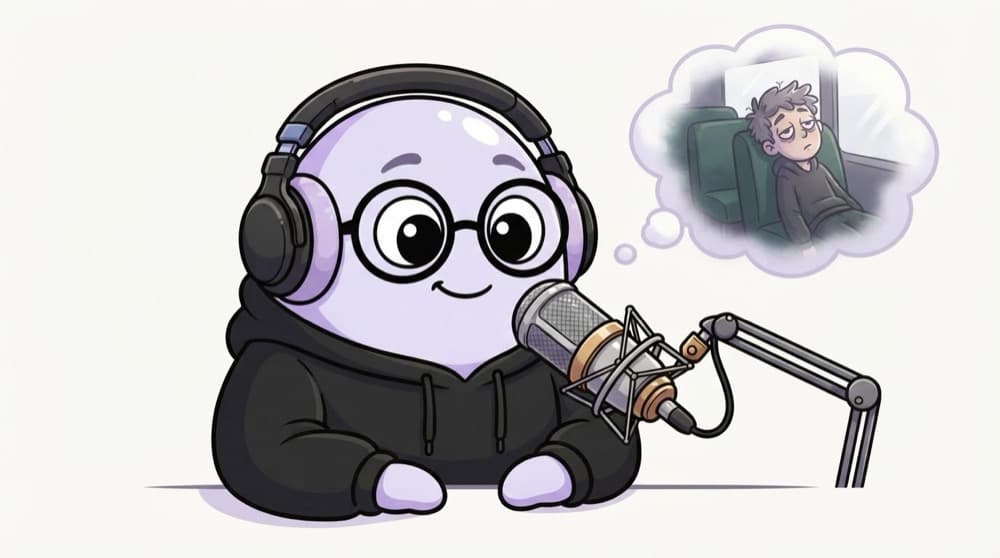
A good RJ doesn't talk to "the city". They picture one listener stuck in traffic after a long day, and talk to just that person. Everyone listening feels spoken to. A persona gives your team that one listener.
Watch it happen
Inside a persona built from research
1/4A name, a stage of life and a short quote. Enough to feel real, built from patterns across many interviews.
The big ideas
What you need to know
Built from research
Every detail should trace back to real interviews or data. A made-up persona is just your own bias with a name.
Goals over demographics
Age and city matter less than what the person is trying to do and what blocks them.
Few, not many
Two or three primary personas is plenty. Ten personas means the team can't hold any of them in mind.
Use them in decisions
Pin them up, mention them in specs, and ask which persona each feature is for.
Save yourself the pain
Common mistakes
Oops
Writing a persona in a meeting from guesses about "typical users".
Do this instead
Interview real people first. Write the persona from patterns you heard more than once.
Oops
Filling it with fun details like favourite food and zodiac sign.
Do this instead
Keep only details that change design decisions: goals, pains, context and habits.
Your mission
Draft a persona from real people
Quick check
Which detail is most useful in a persona for a study app?
Go deeper
- 1Build one persona from real interview notes, not assumptions.
- 2Critique a generic 'Sarah, 28, busy professional' persona and identify what's missing.
- 3Learn when personas help (team alignment) vs when they mislead (treated as real individuals).
More topics at this stop
 User Interviews
 Surveys & Questionnaires
 Jobs to Be Done (JTBD)
 Empathy Mapping
 Usability Testing
 Contextual Inquiry
 Customer Journey Mapping
 Problem Validation
 Assumption Mapping
 Affinity Mapping & Research Synthesis
 Continuous Discovery Habits

Stuck on this topic? Ask an Insider
Get 1:1 guidance from people who've walked this exact path — on the InsideEdge app.
