
In short
Two words, one letter apart, with very different jobs. throw raises a problem right now. throws warns callers that a problem might come their way.
throw actually raises an exception object inside a method, while throws in a method signature declares which checked exceptions the method may pass to its caller.
Think of it like this
The warning sign and the alarm
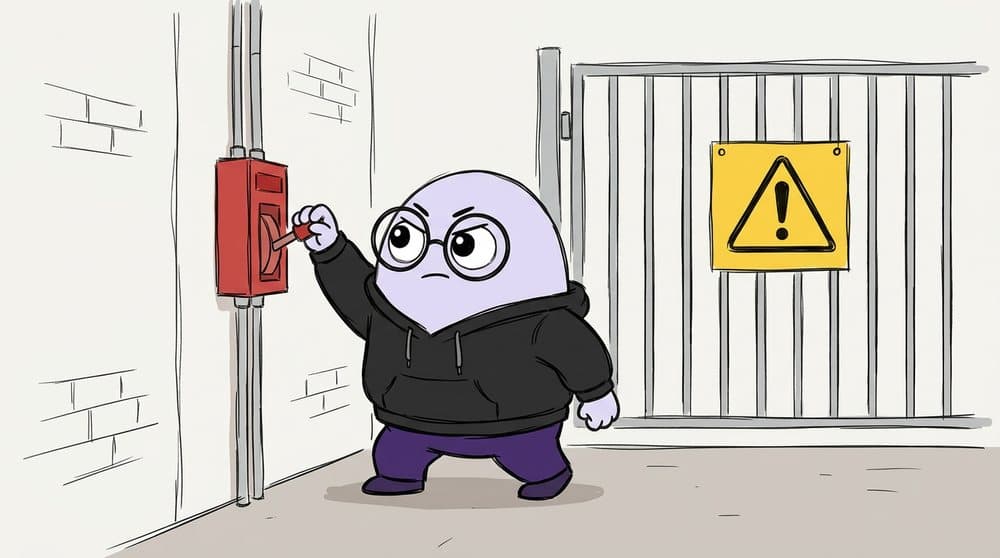
A sign outside a factory gate in Pune says "Danger: chemicals may leak". That sign is throws: a warning to anyone who enters. The day a pipe actually bursts, someone pulls the alarm. That is throw: the real event happening right now.
Watch it happen
An exception travelling back up the call chain
pay(5000)
1/3main asks the wallet to pay ₹5,000. pay() declares throws InsufficientFundsException.
The big ideas
What you need to know
throw is a statement
throw new SomeException("message"); runs inside a method body and immediately stops that method.
throws is in the signature
void pay(long amount) throws InsufficientFundsException tells callers which checked exceptions might come out.
throws can list many
A method can declare several: throws IOException, SQLException. throw always raises exactly one object.
Passing the problem up
If a method can't sensibly handle a checked exception, declaring throws lets its caller decide what to do.
See it in code
Walk through the code
1class InsufficientFundsException extends Exception {2 InsufficientFundsException(long shortBy) {3 super("Short by ₹" + shortBy);4 }5}6 7public class Wallet {8 private long balance;9 10 public Wallet(long openingBalance) {11 this.balance = openingBalance;12 }13 14 public void pay(long amount) throws InsufficientFundsException {15 if (amount <= 0) {16 throw new IllegalArgumentException("Amount must be positive");17 }18 if (amount > balance) {19 throw new InsufficientFundsException(amount - balance);20 }21 balance -= amount;22 }23 24 public static void main(String[] args) {25 Wallet wallet = new Wallet(3200);26 try {27 wallet.pay(5000);28 } catch (InsufficientFundsException e) {29 System.out.println("Payment failed: " + e.getMessage());30 }31 }32}1/4throws in the signature: the warning sign. Because InsufficientFundsException is checked, it must be declared.
A UPI-style wallet. Paying ₹5,000 from a ₹3,200 balance prints "Payment failed: Short by ₹1800".
Save yourself the pain
Common mistakes
Oops
throw InsufficientFundsException; // a class name, not an object
Do this instead
throw new InsufficientFundsException(1800); throw needs an exception object created with new.
Oops
Adding throws Exception to every method to silence the compiler.
Do this instead
Declare the specific exceptions. throws Exception tells callers nothing and forces them to catch everything.
Your mission
ATM rules
Quick check
Which line is correct Java?
Go deeper
- 1Throw IllegalArgumentException for invalid method input.
- 2Declare throws IOException on a method and handle it in the caller.
- 3Explain the difference between the two in one sentence each.
More topics at this stop
 Checked vs Unchecked Exceptions
 Try-Catch-Finally
 Try-with-Resources
 Custom Exceptions
 Reading & Writing Files (java.nio.file)
 Working with CSV Files
 Serialization Basics

Stuck on this topic? Ask an Insider
Get 1:1 guidance from people who've walked this exact path — on the InsideEdge app.
